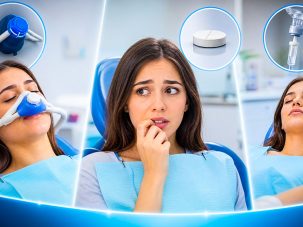


Understanding Dental Anxiety
Dental anxiety is a common issue that affects many individuals, leading to a reluctance to seek necessary dental care. This anxiety can stem from past negative experiences, fear of pain, or a general apprehension about dental procedures. Understanding the root causes of dental anxiety is an essential step in addressing and managing it effectively.
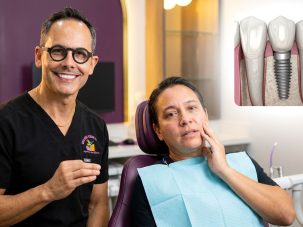
Patients experiencing dental anxiety may benefit from open communication with their dental care providers. Discussing fears and concerns can help create a more comfortable environment, allowing the dentist to provide personalized care. Additionally, various strategies, including sedation dentistry, can help alleviate anxiety and make dental visits more manageable.
The Impact of Sedation on Patient Comfort
Sedation dentistry has profoundly changed the landscape of dental care, allowing patients with high anxiety levels to undergo necessary treatments without distress. Various sedation methods, ranging from nitrous oxide to IV sedation, offer different levels of comfort and relaxation, ensuring a tailored experience for each patient's needs. This approach not only enhances comfort but can also lead to increased patient satisfaction and a willingness to return for future visits.
Research indicates that patients who utilize sedation often have more positive dental experiences. With reduced anxiety, they might find that they can tolerate procedures that they would otherwise avoid. Over time, this can lead to improved oral health outcomes as patients are more likely to keep regular check-ups and treatments.
Benefits of Combining Dental and Medical Insurance
The recent study suggesting the inclusion of dental benefits in medical plans could lead to significant changes in how individuals approach their dental health. This integration can make dental care more accessible, as patients will no longer have to navigate separate insurance systems for medical and dental needs. Such a model encourages holistic health care, reinforcing the connection between oral health and overall well-being.
Moreover, combining these benefits could eliminate financial barriers that often prevent patients from seeking timely dental care. This accessibility could result in earlier diagnoses of dental issues and potentially lower healthcare costs in the long run. It promotes a comprehensive approach to health care, emphasizing preventive measures and regular check-ups as essential components of a healthy lifestyle.
Strategies for Maintaining Oral Health During Weight Loss
Embarking on a weight loss journey can have profound implications for your overall health, including oral hygiene. As dietary changes occur, it's crucial to ensure that these changes do not negatively affect dental health. By focusing on nutrient-dense foods that support oral health, such as crunchy vegetables and dairy products, individuals can promote both weight loss and dental well-being simultaneously.
Incorporating regular dental check-ups during weight loss is also vital. Dentists can provide tailored advice on maintaining oral health throughout the process, addressing issues like increased sensitivity or changes in saliva production that may arise from altered diets. This proactive approach ensures that patients remain aware of their dental hygiene while pursuing their weight loss goals.
Fluoride's Role in Prevention
Fluoride is a well-established component of dental care, known for its protective effects on teeth and its ability to prevent cavities. The ongoing debate about fluoride usage reflects broader concerns regarding health effects and its necessity in modern dental practices. Despite differing opinions, evidence consistently demonstrates fluoride's efficacy in strengthening enamel and reducing tooth decay, making it a valuable ally in oral health.
The American Dental Association and other health organizations continue to advocate for the use of fluoride, particularly in communities with high levels of tooth decay. They emphasize that, when used appropriately, fluoride is not only safe but also essential for maintaining dental integrity. As research progresses, it is crucial to balance informed opinions with scientific evidence to guide public health policy on fluoride use.
Exploring Dental Technology Advancements
Advancements in dental technology have revolutionized patient care, enhancing both the efficiency and effectiveness of treatments. Innovations such as digital imaging, 3D printing, and laser dentistry are changing the landscape of dental procedures, allowing for more precise diagnostics and interventions. This technological progress not only improves patient outcomes but also helps reduce appointment times and discomfort.
Dental lasers, in particular, represent a significant leap forward in treatment methodologies. They offer benefits such as reduced bleeding, less pain, and quicker recovery times. As these technologies become more widely adopted, patients can expect a more comfortable and streamlined experience during their dental visits.