
 ENGLISH
 ESPAÑOL

miami dentist

Dr. Sanchez Adds Spear Faculty Club to Accolades
When you choose to join the Miami Dental Sedation Spa family, you are not only choosing a professional, cheerful, caring staff who strive to make you feel comfortable while receiving top-notch care. You’re also choosing to work with one of the area’s most committed and experienced dentists. Dr. Sanchez has extensive and ongoing training in […]
Is Cosmetic Dentistry Right For You?
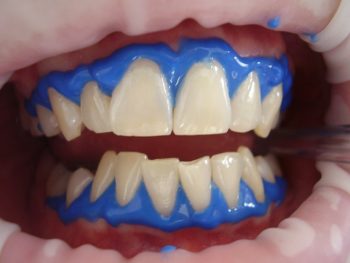
Cosmetic dentistry is more popular now than ever before, and the industry just keeps growing. Whether your teeth are discolored, chipped, misshapen or missing, there are several options available to improve your smile, with benefits that often go beyond simple aesthetics. An improvement in oral health has been shown to improve both physical and mental […]

Let Your Teeth Shine This Holiday Season
The holidays are officially upon us, and while this season is riddled with sweets and treats, you can still keep your smile bright and cavity-free. Check out these four tips, originally offered up from WebMD, on how to protect your teeth this holiday season. Avoid Excessive Sweets Candy canes, hot chocolate, holiday cookies, pastries, and […]
Don’t Lose Your Dental Benefits! Contact Us Today!
October is coming to a close and many people have the festivities of the holiday season lingering in the back of their minds. Parties are being planned, presents are being purchased, and the electricity of joy and new beginnings is starting to tingle in the air. But before you get swept away in the excitement […]
Trends in Cosmetic Dentistry
In an effort to better understand trends in cosmetic dentistry, the American Academy of Cosmetic Dentistry (AACD) has completed several surveys over the years, asking their members to participate in an online questionnaire. The latest study was completed between October 17 and November 18, 2013. 659 dentists from around the country answered questions about their […]
Oral Cancer: Are You at Risk?
Did you know that over 40,000 Americans will be diagnosed with oral or pharyngeal cancer this year? In five short years, nearly half of them will lose their battle against the fatal disease. The death rate associated with oral cancer is particularly high, and it’s not because there isn’t an effective treatment. Cancers of the […]
Monday - Thursday
08:00 am - 5:00 pm
Friday
08:00 am - 12:00 pm
Saturday & Sunday
Closed.