
 ENGLISH
 ESPAÑOL

dental implants
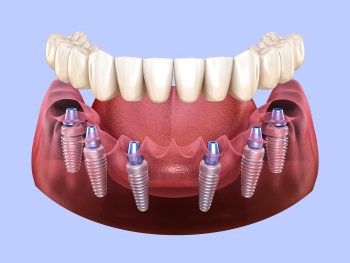
Dental Implant Process Miami Explained Step-by-Step
Dental implant procedures in Miami offer a state-of-the-art solution for replacing missing teeth while ensuring a comfortable, stress-free experience. Miami Dental Sedation Spa uses the latest technology and sedation dentistry to help anxious patients overcome their fear of dental procedures. This guide explains the essential steps of the dental implant process, factors affecting pricing, top […]
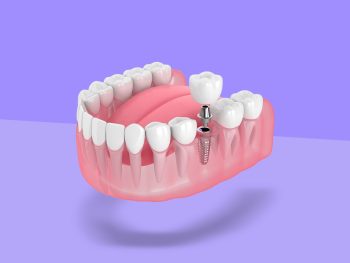
How Dental Implants Improve Oral Health
Understand the Role of Dental Implants in Oral Health At Miami Dental Sedation Spa, we believe that a healthy, confident smile is one of the greatest gifts you can give yourself. Losing a tooth can feel overwhelming, whether it happens due to decay, gum disease, or an accident. The impact isn’t just cosmetic. It affects […]
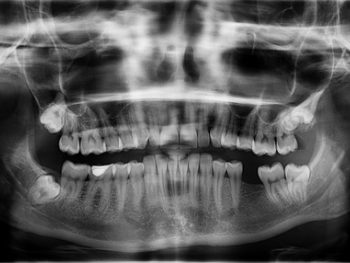
Don’t Live With Missing Teeth, Consider Dental Implants
Millions of Americans find themselves with a diminished quality of life due to missing or unsightly teeth. Regardless of the reason, missing or damaged teeth can have a negative effect on several everyday tasks. Eating, speaking and even smiling can become difficult both physically and emotionally. But you don’t have to settle for this reality. […]
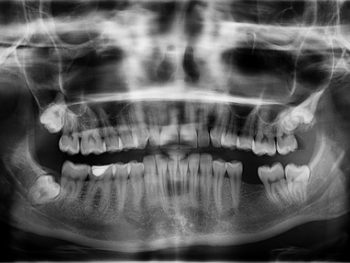
Tooth Replacement and Digital Dentistry
Last week, National Prosthodontics Awareness Week was observed around the country, including at the University of Louisville School of Dentistry Postgraduate Prosthodontics Clinic, where professionals worked on educating the public about tooth replacement options and other oral health issues. The initiative was started by the American College of Prosthodontists (ACP). Prosthodontics is one of only […]
New Method to Decrease Dental Implant Failure
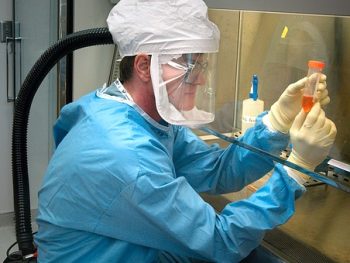
Restorative dentistry is a huge business, with over 18 million Americans having a crown, bridge or dental implants to replace missing teeth. And according to the American Academy of Implant Dentistry (AAID), the number of implants increases annually by about 500,000. While dental implants are an effective treatment option, approximately 5 to 10% of all […]
New Dental Implant Development Reduces Risk of Infection
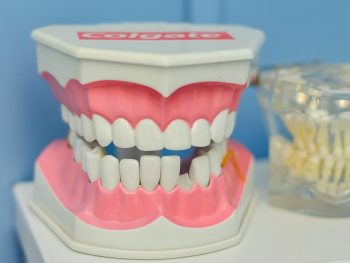
One of the biggest drawbacks of having a dental implant placed in your mouth is the risk of infection. Scientists from around the globe have been tirelessly working to minimize this risk, and one team in Belgium has made a breakthrough. The researchers, a team from various departments at KU Leuven in Belgium, have developed […]
Monday - Thursday
08:00 am - 5:00 pm
Friday
08:00 am - 12:00 pm
Saturday & Sunday
Closed.