
 ENGLISH
 ESPAÑOL

esthetic dentistry

Cosmetic Dentistry: The New Face-lift
Getting older has both its perks and its downsides. Like a fine wine, most of us get better with age. We grow personally, professionally, and spiritually with the life lessons we pick up along the way. But ask any middle-aged American about what they dislike most about aging, and you’re likely to hear about wrinkles, […]
Cosmetic Dentistry: Porcelain Veneers
In the world of cosmetic dentistry, porcelain veneer are becoming more and more popular. They are an effective way to brighten any smile and it's becoming more affordable. Surprisingly, many do not understand exactly what a veneer is, or how it can help improve a smile. Simply put, it's a thin layer of restorative material […]
Botox at the Dentist?
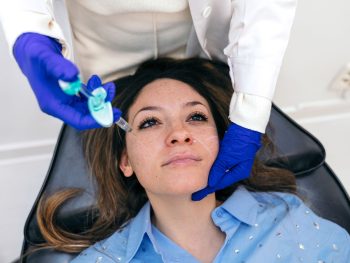
According to the article "Botox Treatments, Coming to a Dentist's Office Near You" by Samantha Rollins on HealthLand.Time.com, more and more dentists are offering Botox treatment as a way to improve your smile. The Minneapolis Star-Tribune reports that at least half a dozen dentists in the Twin Cities offer cosmetic dentistry with Botox and dermal […]
Teeth Whitening Leads in Cosmetic Procedures
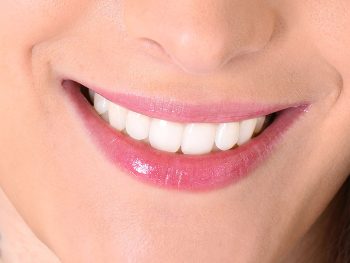
According to the article "Tooth Whitening Leads in Cosmetic Dentistry" by Matthew Shulman on Health.USNews.com, tooth whitening is the most popular procedure completed by cosmetic dentists in the United States. Years of coffee, red wine, tea, and pop can cause an unattractive yellowish, and sometimes brownish tint that so many want to eliminate. The gloss […]
Cosmetic Dentistry Trends
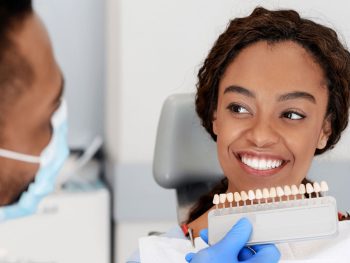
There always seems to be a hot trend in the cosmetic dentistry and 2011 is no different. Many people will be looking to cosmetic dentistry as possible gifts for loved ones and even Valentine's Day surprises. According to the article "Cosmetic Dentistry Trends for 2011" privatehealth.co.uk, there are three major procedures topping the list as […]
Dealing With Tooth Discoloration
There are many things that can cause our teeth to become discolored. Some of these things are out of our control, but there are many things we do which may be causing our teeth to become yellow or even brown. According to Web MD, there are ten main culprits causing our society discolored teeth. These […]
- 1
- 2
Monday - Thursday
08:00 am - 5:00 pm
Friday
08:00 am - 12:00 pm
Saturday & Sunday
Closed.