 ENGLISH
 ESPAÑOL

EPA Fluoride Lawsuit
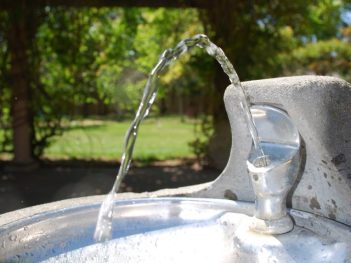
According to a recent article from the American Dental Association, a federal judge has just denied the U.S. Environmental Protection Agency’s motion to dismiss a lawsuit seeking to ban fluoride additives used in community water. The lawsuit was filed in April by the Fluoridation Action Network and a number of other environmental and medical groups, after the EPA denied the fluoridation opponents’ petition that also sought a ban on fluoridation additives.
When it denied the petition, the EPA said the petitioners had “not set forth a scientifically defensible basis to conclude that any persons have suffered neurotoxic harm as a result of exposure to fluoride in the U.S. through the purposeful addition of fluoridation chemicals to drinking water or otherwise from fluoride exposure in the U.S.”
They continued to state that the petition “ignores a number of basic data quality issues associated with the human studies it relies upon.” The EPA also made mention that it, along with other authoritative bodies, had reviewed many of the studies cited by the petitioners, finding significant limitations in using them to draw conclusions.
Despite the original denial, a U.S. District Court judge in the Northern District of California, denied the EPA’s request to dismiss the lawsuit on December 21, 2017. Although the case will move forward, the ADA continues to support community water fluoridation as a safe and effective way to combat tooth decay. For more information on the Association’s stance, visit ADA.org/fluoride.