 ENGLISH
 ESPAÑOL

Expert Dentists in Miami for Comfortable Dental Care
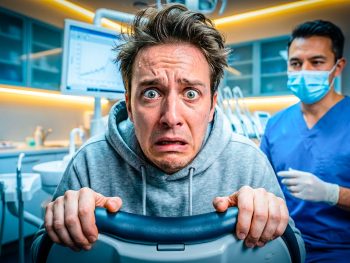
What if I have a panic attack at the dentist?
Book your visit (305) 445-4646 EN ES What If I Have a Panic Attack at the Dentist? If the thought of sitting in the dental chair makes your heart race, you are not alone. For many patients, the biggest fear is not the procedure itself. It is the fear of feeling trapped, losing control, or […]
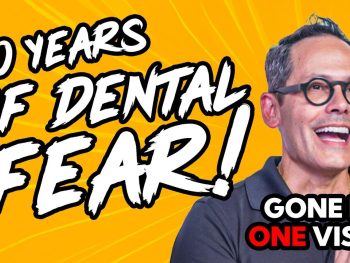
How One Visit Helped a Patient Overcome 20 Years of Dental Fear 😌
For patients who have avoided the dentist for years, one calm and supportive visit can make a life-changing difference. Dr. Luis Sanchez, DMD, shares how sedation dentistry helped one patient finally feel comfortable again.
DIY Teeth Whitening: What Not to Do
As consumers, most of us are always looking to save a buck. And in the “Pinterest era,” many are often on the hunt for not only cheap, but easy DIY solutions to some of life’s biggest battles. Can’t get that red wine stain out of your shirt? There’s a Pinterest hack for that. Looking for […]

Improve Your Health With a Great Smile
One of the joys of cosmetic dentistry is improving the quality of life of patients by helping them achieve the bright, white smile of their dreams. While this statement may sound vane (how can altering one’s smile really improve quality of life?) there has actually been scientific research conducted that proves smiling effects many aspects […]
Technological Advances in Cavity Treatment
One of the most common dental treatments involves the filling of cavities. Cavities, often caused by tooth decay, occur when bacteria destroy the hard tissues, and eventually the organic matter of a tooth, leaving a soft surface or hole that can be detected by your dentist. In advanced stages, pain is often a symptom that […]
More Evidence That Dentist Trips Save Your Heart
There has been more and more research to suggest that oral health is linked to heart health and now another study directly links visiting the dentist with a decreased risk of heart disease. The new study consists of 100,000 participants and they found the people who had their teeth cleaned and scraped by a professional […]
Monday - Thursday
08:00 am - 5:00 pm
Friday
08:00 am - 12:00 pm
Saturday & Sunday
Closed.