
 ENGLISH
 ESPAÑOL

Latest Updates and News from Your Trusted Dentist
New Mouth Rinse for Bad Breath Wins ADA Seal
For the first time ever, the American Dental Association has awarded the ADA Seal of acceptance to a mouth rinse for the treatment of oral malodor. Actually, two ClōSYS Alcohol-Free Oral Health Rinses were accepted by the ADA Council on Scientific Affairs in May after they were found to be safe and show efficacy in […]
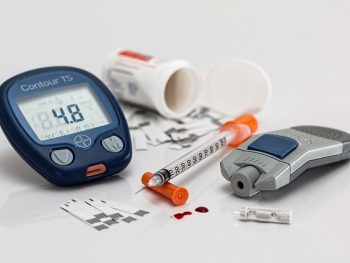
New Study on the Treatment of Gum Disease in Diabetic Patients
There is a well documented relationship between periodontal disease and diabetes, and while it isn’t fully understood, it is known that gum disease is very difficult to treat in patients with Type 2 diabetes. For patients without diabetes, periodontal disease is often treated with just a few visits to the dentist. But for those with […]
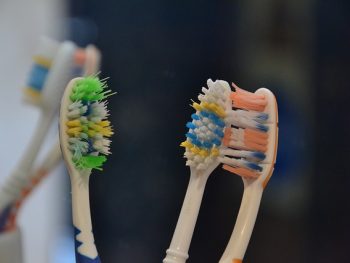
New 2-in-1 Toothbrush is First of Its Kind
Do you struggle with flossing regularly? A startup company out of Virginia may have the convenient solution you’re looking for. After developing its product over the last two years, Flossy Brush has just launched a new 2-in-1 dental cleaning tool, combining a manual toothbrush on one end with a flossing instrument on the other. As […]
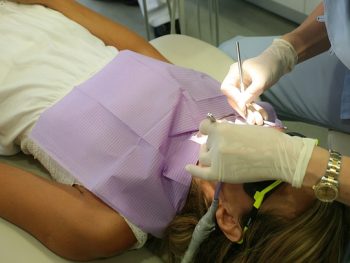
The More You Know: Sedation Dentistry
The use of sedation in dentistry has grown immensely in the last several years and is now used in many dental practices. Whether it’s necessary to complete an invasive procedure or to help calm anxiety for a tooth cleaning, sedation dentistry is a safe, effective practice that has changed the way many view their dental […]
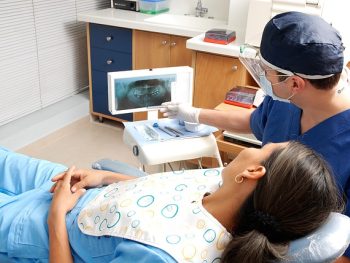
Successful Treatment of Fearful Dental Patients
Did you know that up to 40% of people have some level of dental anxiety? Thankfully, advancements in sedation have allowed for easier treatment of fearful patients, and many dentists now use nitrous oxide (laughing gas) and oral or intravenous drugs in their offices. But the dental professionals at Tufts School of Dental Medicine, which […]
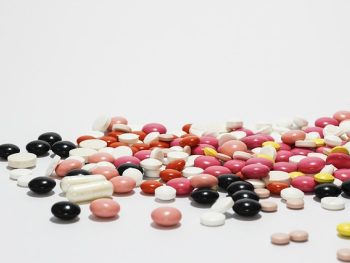
Take Action: Prescription Drug Disposal
After a dental procedure, your dentist may prescribe you a medication to help relieve pain. These medications, such as hydrocodone or oxycodone, are very effective at minimizing post-operative pain, but sometimes, when used by someone other than the patient, they can pose a dangerous threat. Unfortunately, prescription medications have become a major source of drug […]
Monday - Thursday
08:00 am - 5:00 pm
Friday
08:00 am - 12:00 pm
Saturday & Sunday
Closed.