 ENGLISH
 ESPAÑOL

Dental care
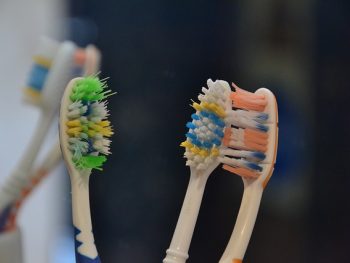
New 2-in-1 Toothbrush is First of Its Kind
Do you struggle with flossing regularly? A startup company out of Virginia may have the convenient solution you’re looking for. After developing its product over the last two years, Flossy Brush has just launched a new 2-in-1 dental cleaning tool, combining a manual toothbrush on one end with a flossing instrument on the other. As […]
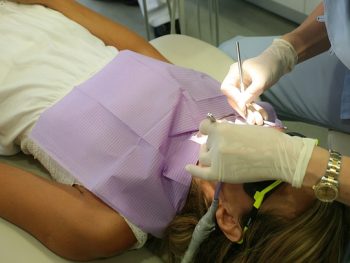
The More You Know: Sedation Dentistry
The use of sedation in dentistry has grown immensely in the last several years and is now used in many dental practices. Whether it’s necessary to complete an invasive procedure or to help calm anxiety for a tooth cleaning, sedation dentistry is a safe, effective practice that has changed the way many view their dental […]
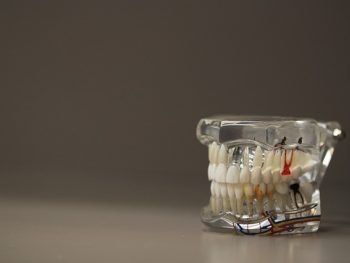
Risk Factors for Tooth Loss
Losing your teeth does not necessarily have to be in your future, according to a recent WebMD news article. The Journal of Periodontology listed nine risk factors that can have a significant impact on whether you keep your natural teeth later in life, including: Being older than 35 Being male Not receiving professional dental care […]
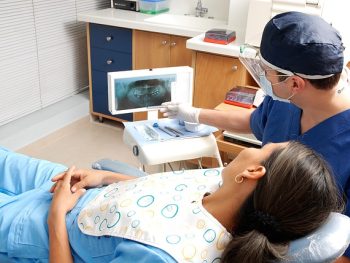
Successful Treatment of Fearful Dental Patients
Did you know that up to 40% of people have some level of dental anxiety? Thankfully, advancements in sedation have allowed for easier treatment of fearful patients, and many dentists now use nitrous oxide (laughing gas) and oral or intravenous drugs in their offices. But the dental professionals at Tufts School of Dental Medicine, which […]
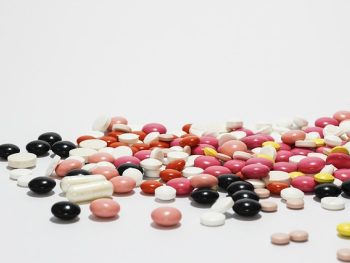
Take Action: Prescription Drug Disposal
After a dental procedure, your dentist may prescribe you a medication to help relieve pain. These medications, such as hydrocodone or oxycodone, are very effective at minimizing post-operative pain, but sometimes, when used by someone other than the patient, they can pose a dangerous threat. Unfortunately, prescription medications have become a major source of drug […]

Nitrous Oxide and Sedation Dentistry: A Standard of Safety
Nitrous oxide-oxygen (N2O-O2), also known as laughing gas, has safely been used for sedation in dentistry for decades. Today, it is used primarily for anxiety management because fear and anxiety are both associated with a lowered pain threshold and increased patient discomfort. Due to its extremely safe and ease of use, licensed dental hygienists have […]
Monday - Thursday
08:00 am - 5:00 pm
Friday
08:00 am - 12:00 pm
Saturday & Sunday
Closed.